


Nesen kopā ar Latvijas jauniešu regbija izlasi viesojoties Čehijas pilsētā Ostravā, kādu vakaru kopā ar dažiem puišiem devos pastaigā pa pilsētu. Pirmais, ko vairāki no mums pamanīja, bija patīkamais gaiss, jo ielās bija ļoti maz cilvēku. Tā kā tā ir trešā lielākā Čehijas pilsēta, bijām pārsteigti par iespaidīgo tukšumu. Vēlāk gan sapratu, ka Ostrava īpaši neatšķiras no Jaunzēlandes pilsētām, vienkārši, dzīvojot Latvijā, vairs nepievēršu uzmanību daudzajiem visu vecumu cilvēkiem, kas jebkurā dienas laikā ir pilsētas ielās.
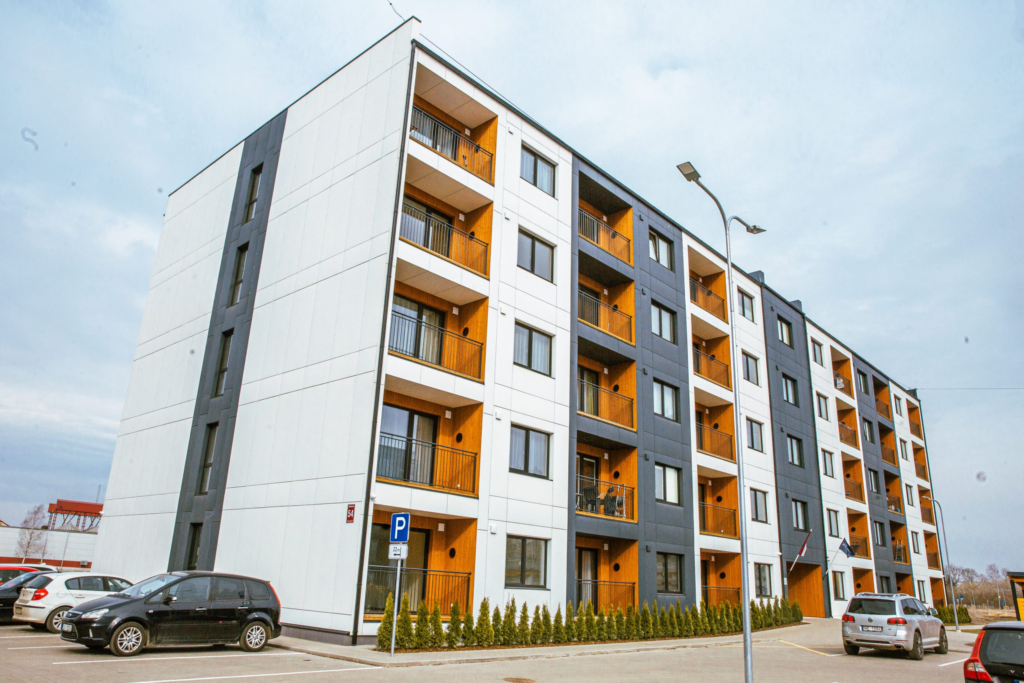
Pavēlu vakaros staigājot pa Jelgavu, bieži par to brīnos. Viņi acīmredzot nevēlas nekā cita, kā vien paelpot naksnīgo gaisu. Nesen viesojoties Jelgavā, tam pievērsa uzmanību arī kāda mana draudzene no Jaunzēlandes, drīz vien sākot runāt par daudzajiem cilvēkiem Jelgavas ielās. Jaunzēlandē ko tādu var redzēt reti. Izņemot piektdienas un sestdienas vakarus, pilsētu centri parasti ir tukši. Man nav cita izskaidrojuma, kāpēc tā, izņemot garās ziemas un to, ka pastāv lielas atšķirības, kādos mājokļos cilvēki dzīvo tur un te.Manuprāt, Latvijas iedzīvotāji izmanto gaišo un relatīvi silto laiku, kamēr vien var. Taču nez vai tas ir vienīgais iemesls, jo arī Ostravā ir ilga ziema, bet salīdzinoši siltā sestdienā ielas bija patīkami tukšas. Mans otrais pieņēmums saistīts ar to, kā un kur cilvēki dzīvo. Domāju, tā kā lielākā daļa mājo daudzdzīvokļu namos, cilvēkiem nav savu pagalmu un dārzu, kuros izbaudīt atrašanos svaigā gaisā, viņi dodas sabiedriskajā telpā.Tikai mazs procents kivi (tā pasaulē mēdz dēvēt jaunzēlandiešus) dzīvo daudzdzīvokļu namos. Līdz nesenam laikam lielākajai daļai īpašumu klāt nāca ievērojams zemes gabals. Jaunzēlandieši mīl sajūtu, ka viņiem ir sava sētas puse jeb pagalms, un daudziem patīk uzturēties svaigā gaisā pašiem sava īpašuma robežās.Varbūt man vajadzētu beigt vērtēt latviešu dzīves stilu, bet iet laukā un kopā ar pārējiem izbaudīt to, kas palicis no vasaras, kamēr vien tas iespējams, nevelkot mugurā vairākas apģērba kārtas.Džareds [email protected]Something rarely seen at homeJared Grellet ([email protected])On a recent trip to the Czech town of Ostrava with the Latvian u..20 rugby team a number of us ventured into the city centre on a Saturday afternoon to check out the local sights. The first comment that a number of us made was that the town had a somewhat airy feeling to it bought on by the substantial lack of people on the streets. As the third largest city in the Czech Republic we were all taken aback by the emptiness of the place. On further thought, I realised that Ostrava is not indifferent to any New Zealand city but living in Latvia I have simply become immune to seeing any number of people walking the streets at any time of the day.Walking around Jelgava relatively late at night, I am often impressed by how many people of all ages are out on the streets, seemingly for no other reason than to be outside enjoying the night air. This sentiment was also shared by a friend from New Zealand who recently visited the city. She too was quick to pass comment on the number of people outside late at night and how it is something rarely seen at home. Except for on Friday and Saturday nights, the streets in the city centres of New Zealand are typically empty. I am at a loss to explain why this is except for perhaps the differences in housing and the longevity of the Latvian winter.In the knowledge of the long winter ahead, I think that Latvians are making the most of the long hours of daylight and relative warmth while they can, but I do not think this can be the only reason as Ostrava also endures a long winter and on a relatively warm Saturday the streets were positively airy. The second assumption that I make is that many are drawn to the streets and parks due to the nature of their housing. With most people living in apartment buildings, they do not have their own backyards in which to enjoy being outdoors, so instead go out into the public sphere to take in the outdoors.Only a small percentage of Kiwis live in apartment buildings, and until more recently most properties came with a significant outdoor area. New Zealanders somewhat cherish the notion of their ‘backyard’ and many tend to enjoy the outdoors in the confines of their own property.Perhaps I should stop trying to analyse this feature of Latvian life and instead cherish what is left of summer along with the rest of the country and enjoy the outdoors whilst one still can without any number of layers of clothing.